
Vanguard Robotics / ESTUN integration partner
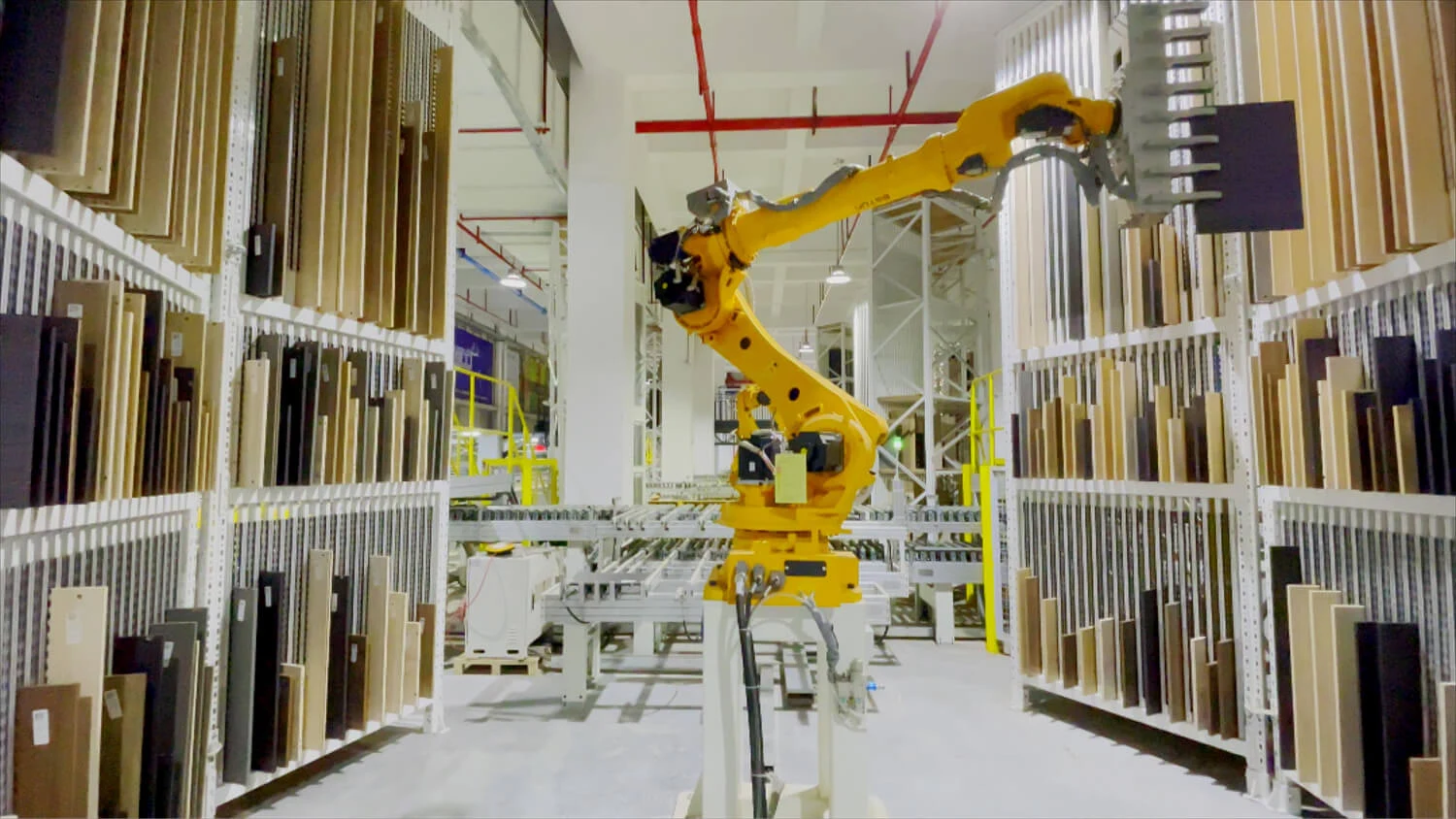
Material handling and part transfer
Move, orient and place parts between workstations. Arm selection starts with actual gripping requirements and interfaces to conveyors, presses or inspection stations.
The process
Define every step of the operation.
Map picking, placement and part orientations.
Select gripping and check its behaviour after loss of power.
Synchronise the cell with upstream and downstream stations.
Test part retention, potential collisions and recovery sequences.
Selection to confirm
Families to consider.
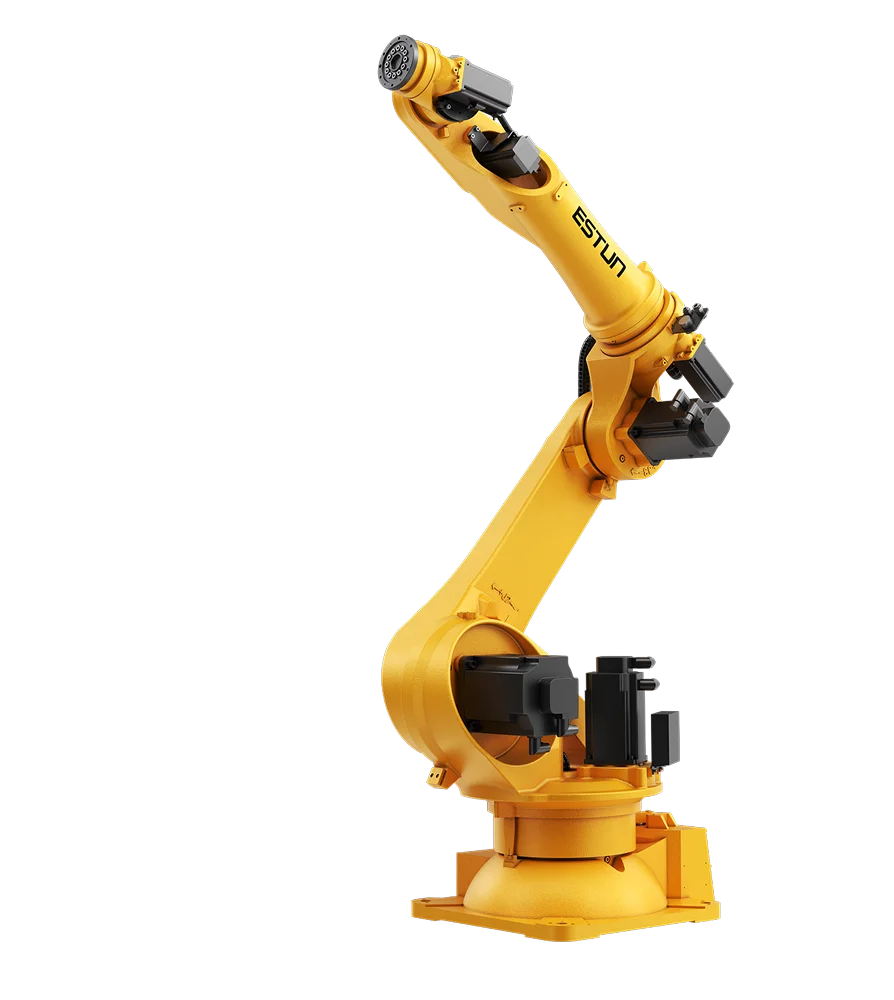
6-axis articulated robots
Articulated arms for machine tending, part orientation and process paths. The models shown cover small and medium payloads.
18 documented models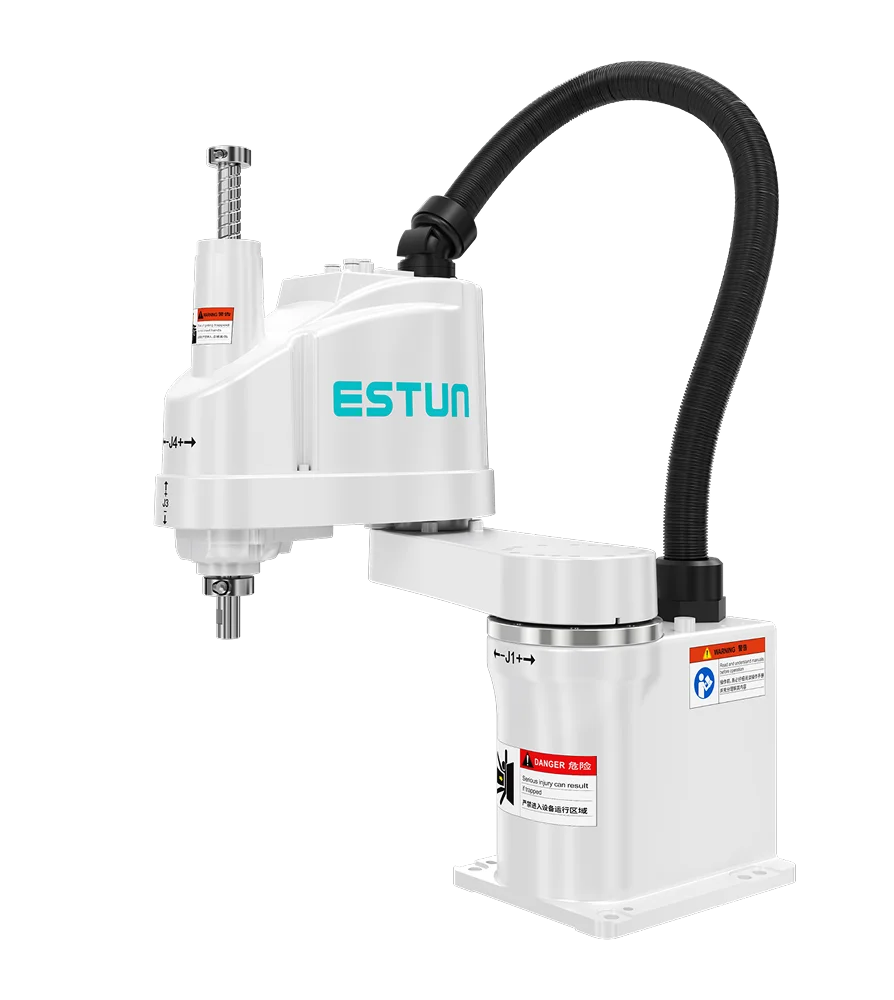
4-axis SCARA robots
4-axis robots for picking, orienting and placing parts within a planar workspace. Several payloads and vertical strokes are documented.
24 documented models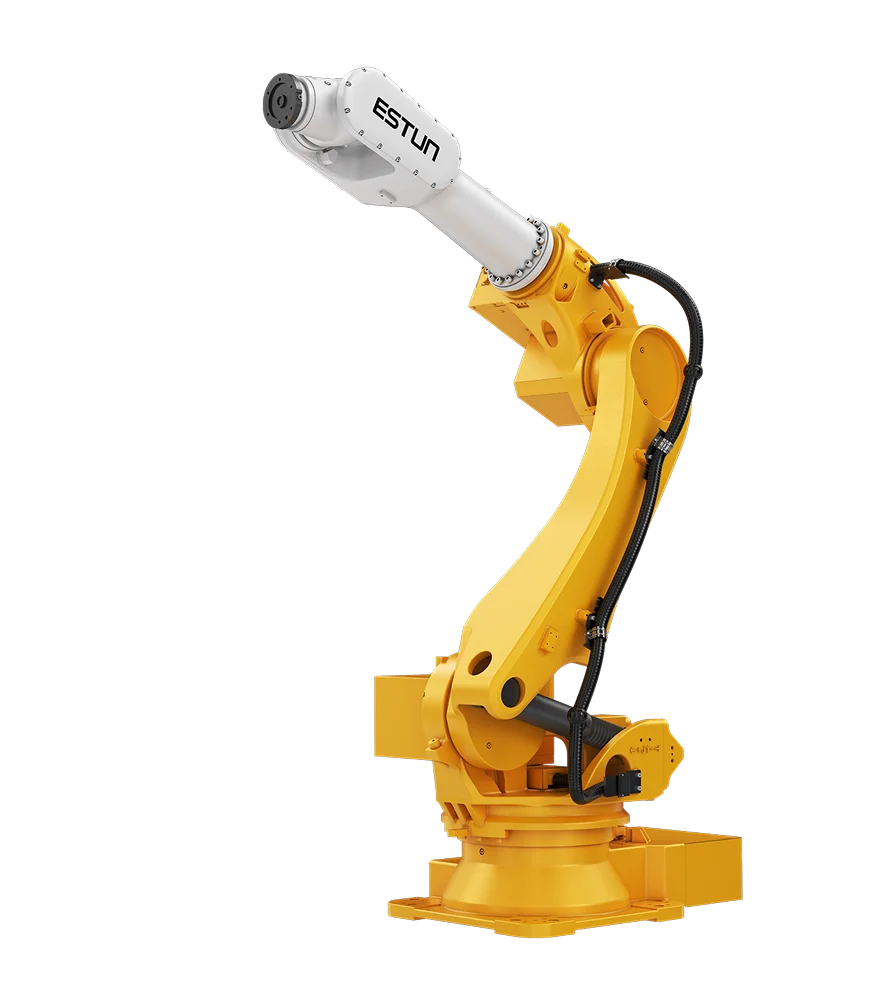
Foundry robots
Industrial arm variants identified as “Foundry” by ESTUN Europe for handling around foundry processes.
6 documented models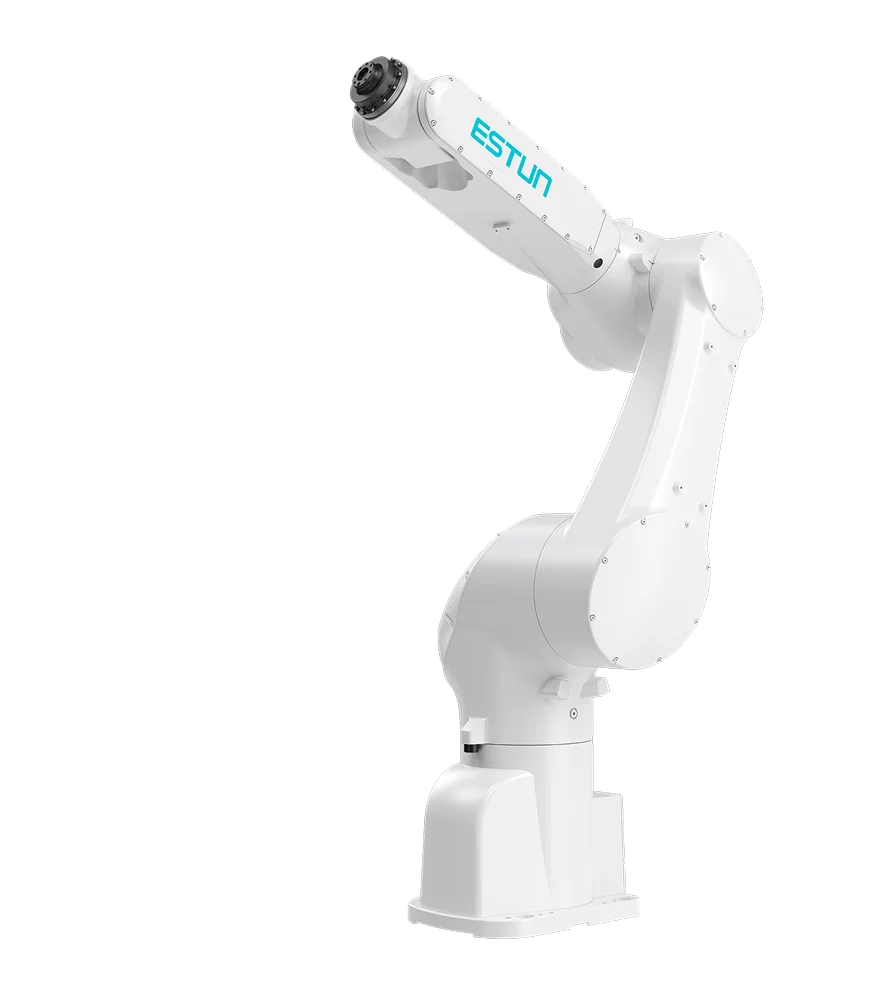
Compact MINI robots
Compact arms for machine tending, assembly and part handling where space is limited. The European range includes 6-axis arms; the global catalogue also documents 3-axis and 4-axis variants.
10 documented models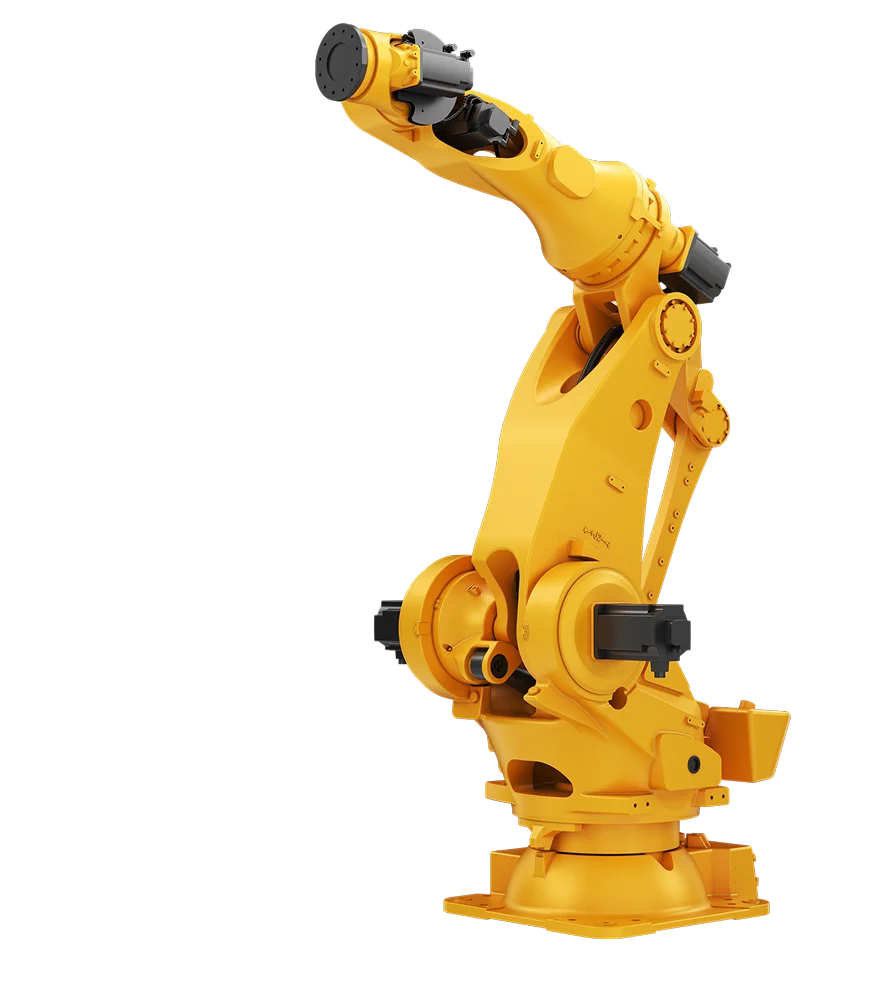
High-payload robots
Industrial arms for handling heavy workpieces and large assemblies. European models and global catalogue additions are distinguished, with their axis counts and selection conditions.
34 documented models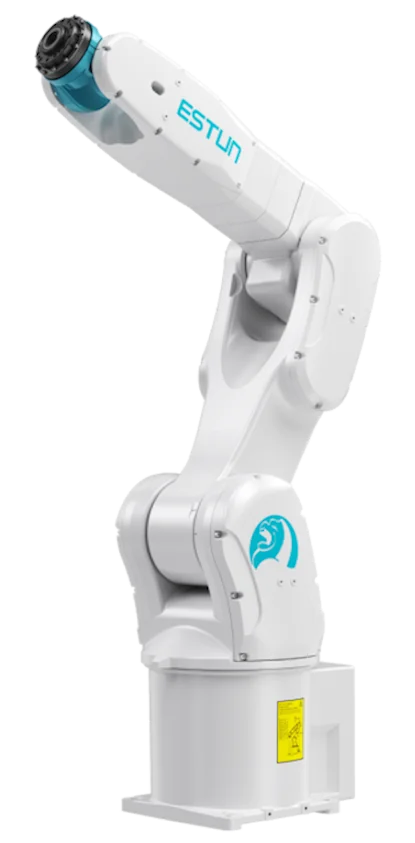
Cleanroom robot variants
SCARA and MINI variants identified for cleanroom use in ESTUN’s European catalogue. The model documentation must establish the cleanliness and operating conditions required by the project.
6 documented modelsValidation depends on the parts, tooling, cycle trials and cell risk assessment.
Project questions
Before choosing a robot.
Is payload the same as part weight?
The carried load includes the part, gripper, sensors and mounted accessories. Centre of gravity, moments and inertia must also remain within the model’s limits.
Can one robot serve several machines?
Yes, if reach, paths and waiting times allow it. Sequence simulation helps identify competing requests and situations where a machine waits for the robot.