
Vanguard Robotics / ESTUN integration partner
Machine tending
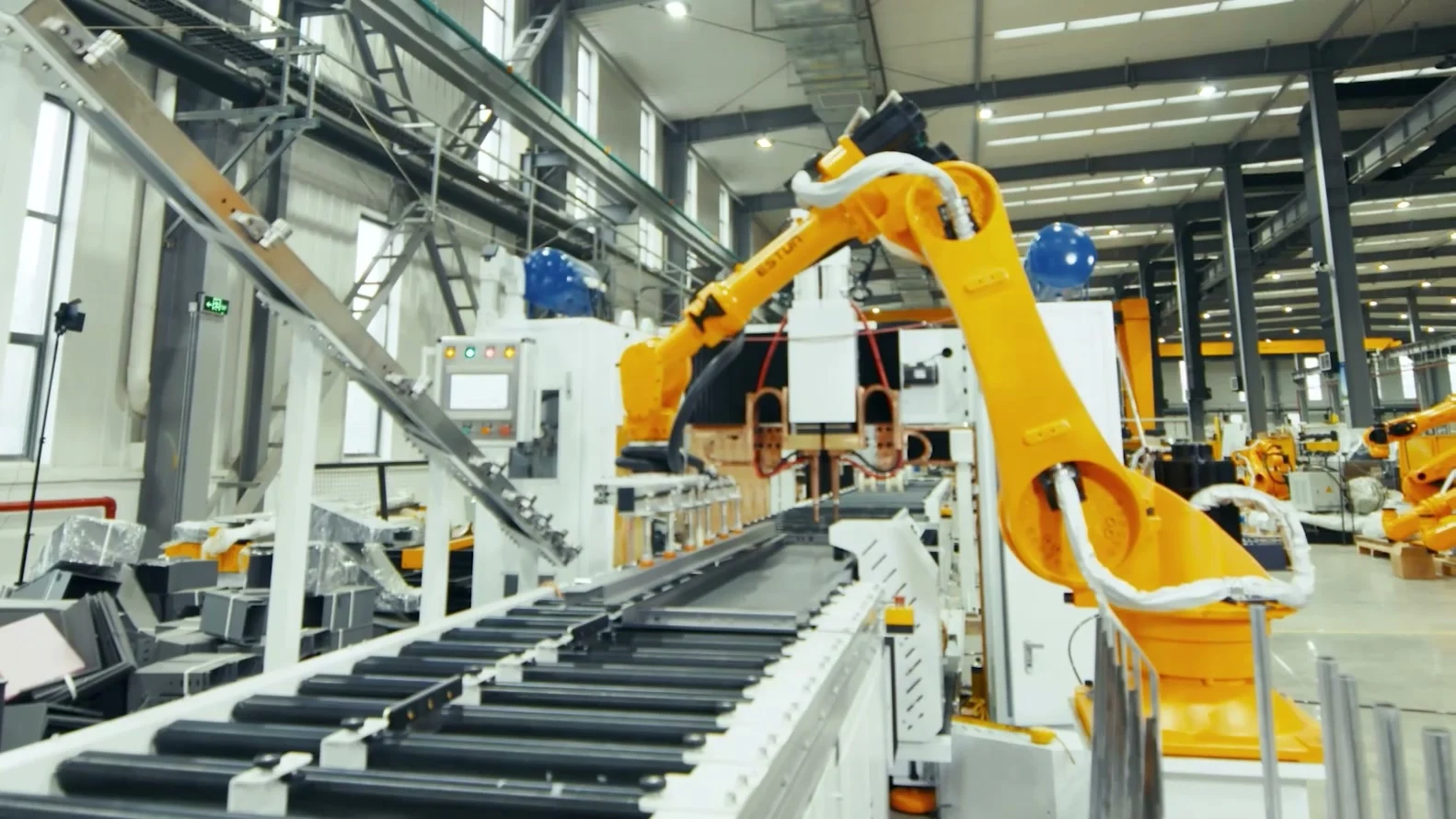
Load and unload a machining centre, lathe or another production machine. The cell coordinates part gripping, doors, clamping and machine states.
The process
Define every step of the operation.
Study raw part presentation and finished part removal.
Check access to the chuck or fixture in every required position.
Define robot-machine signals, permissives and recovery after faults.
Test parts, process residue and batch changes.
Selection to confirm
Families to consider.
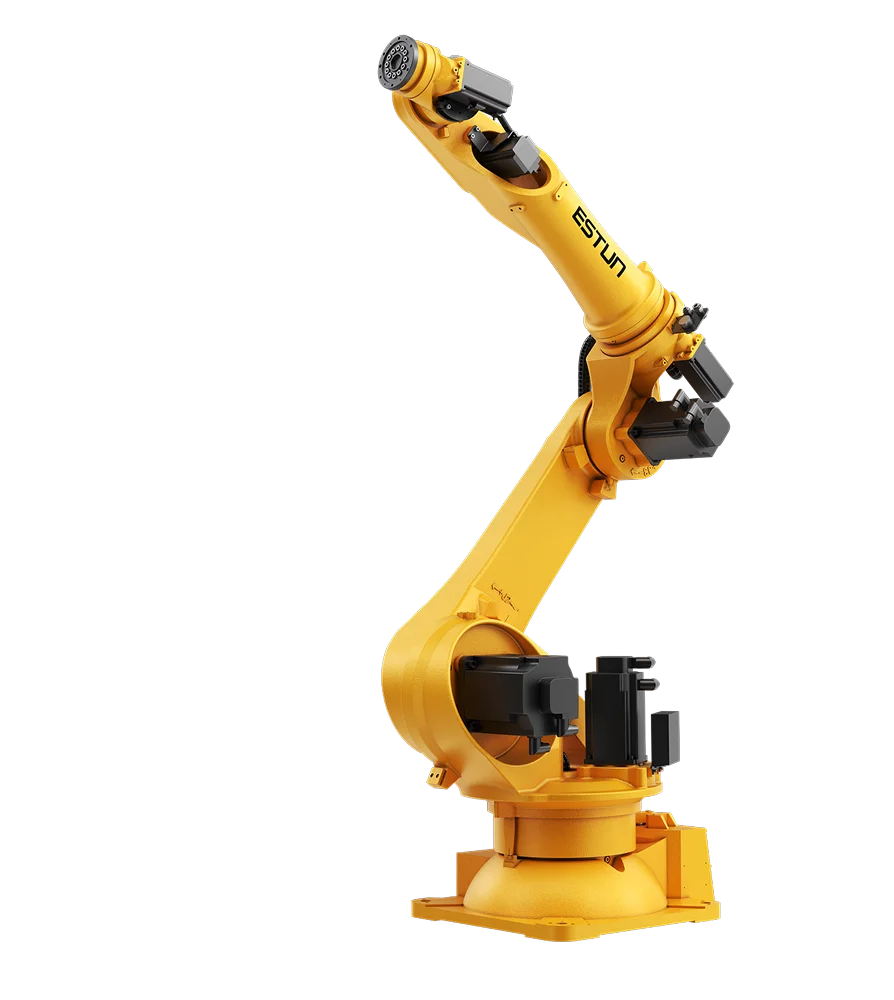
6-axis articulated robots
Articulated arms for machine tending, part orientation and process paths. The models shown cover small and medium payloads.
18 documented models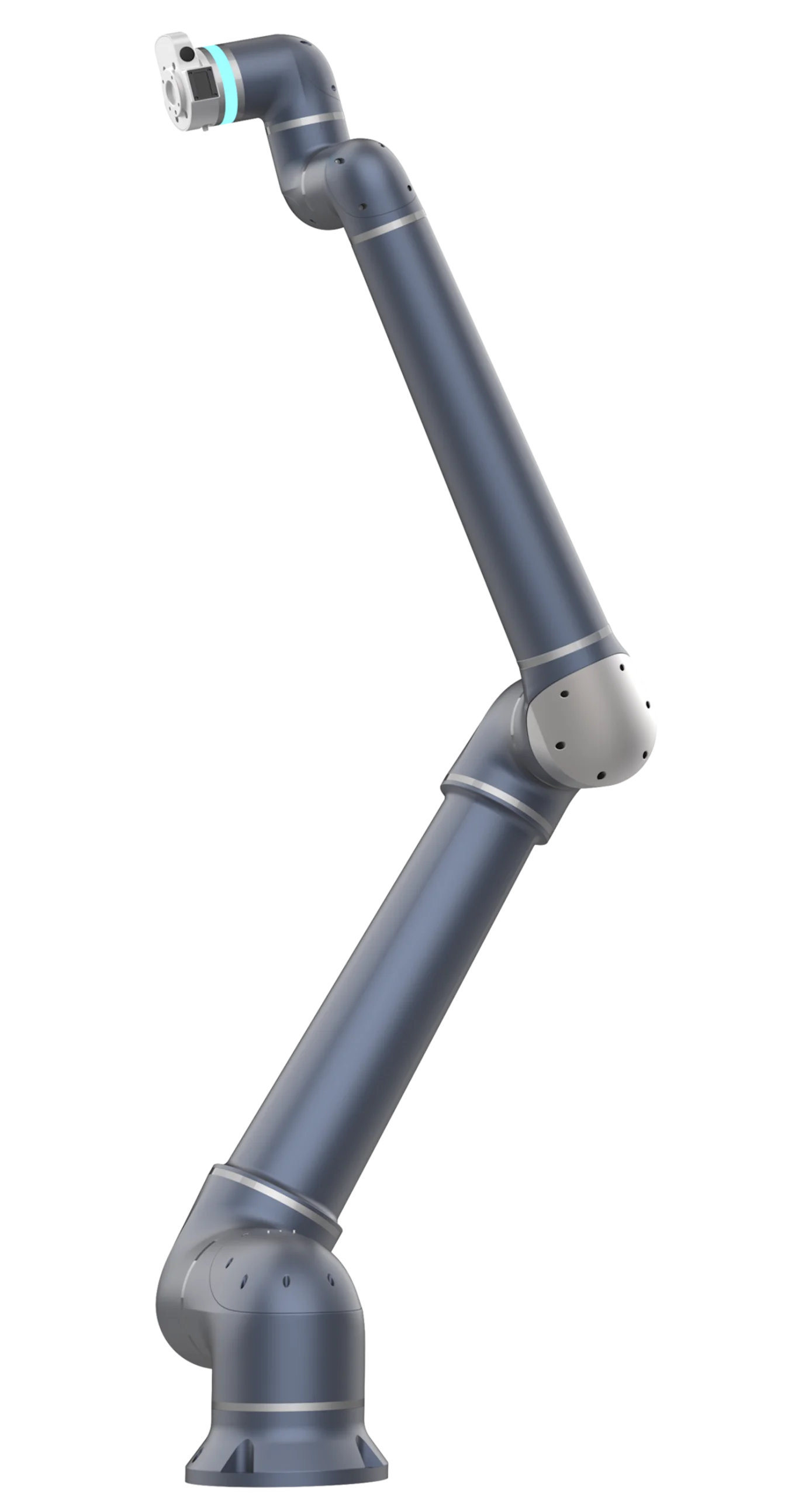
Collaborative robots
ECO and PRO cobots cover handling, assembly and machine-tending tasks. The documented PRO versions use torque sensors; check the configuration for each generation.
8 documented models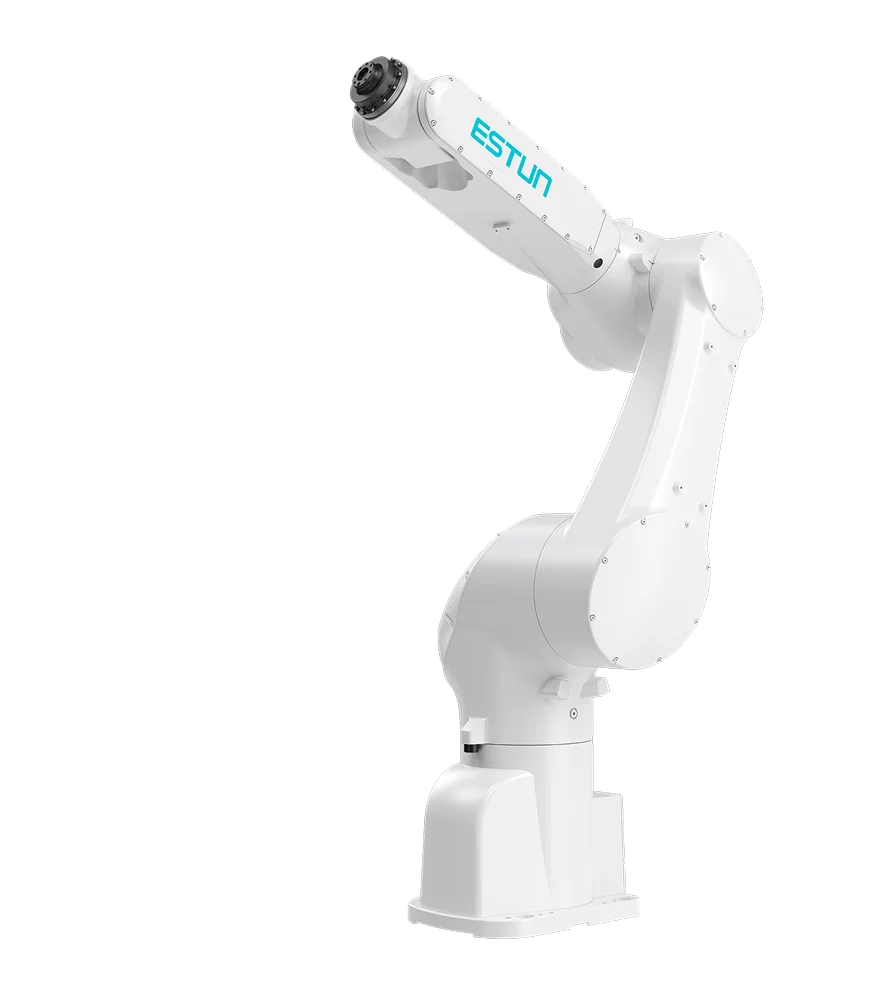
Compact MINI robots
Compact arms for machine tending, assembly and part handling where space is limited. The European range includes 6-axis arms; the global catalogue also documents 3-axis and 4-axis variants.
10 documented models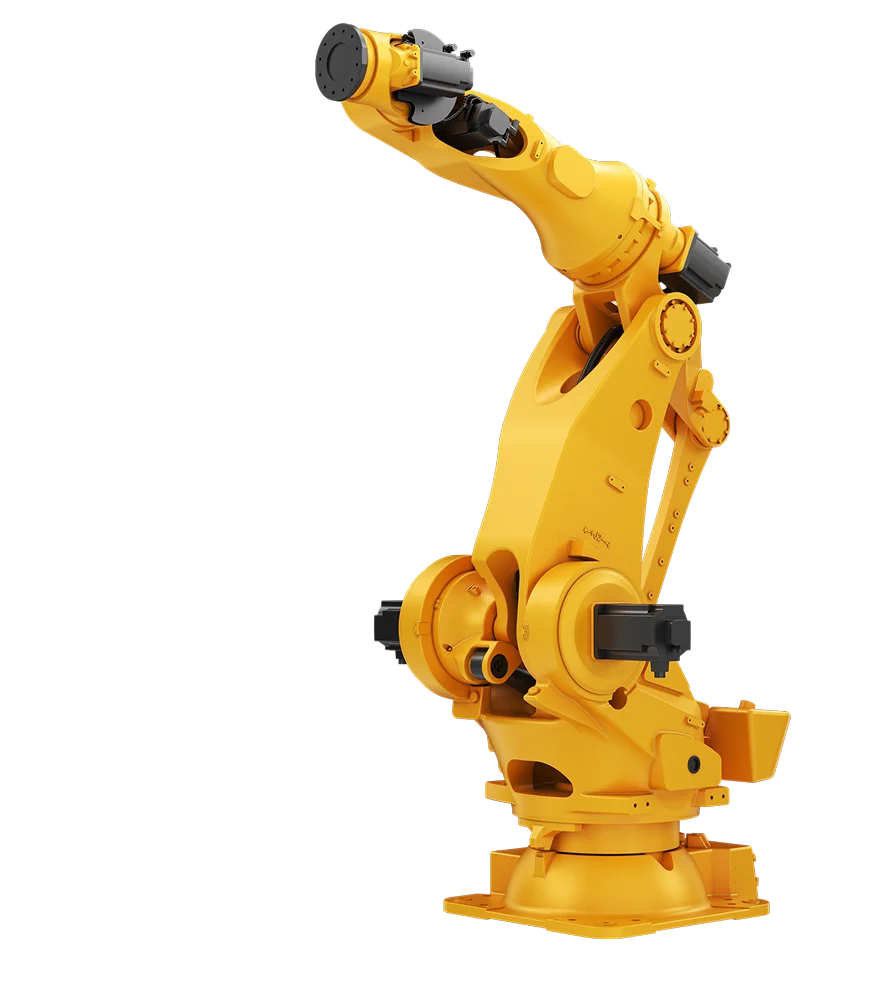
High-payload robots
Industrial arms for handling heavy workpieces and large assemblies. European models and global catalogue additions are distinguished, with their axis counts and selection conditions.
34 documented models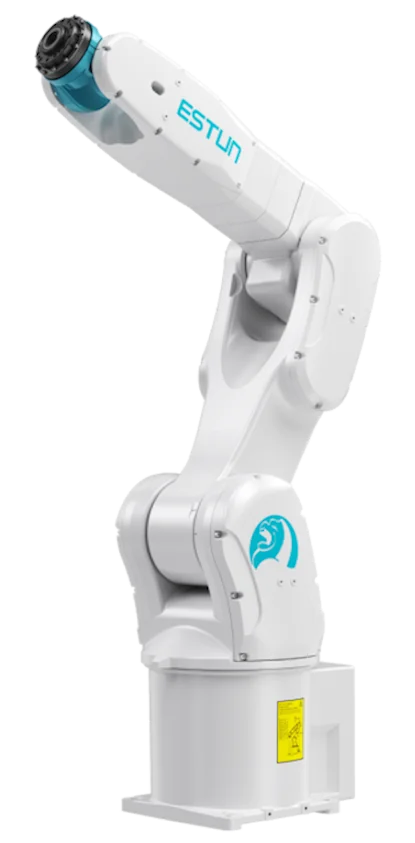
Cleanroom robot variants
SCARA and MINI variants identified for cleanroom use in ESTUN’s European catalogue. The model documentation must establish the cleanliness and operating conditions required by the project.
6 documented modelsValidation depends on the parts, tooling, cycle trials and cell risk assessment.
Project questions
Before choosing a robot.
Can an existing machine be automated?
Yes, after checking its interfaces, mechanical access and safety requirements. The study identifies changes needed for the door, clamping, signals and part presentation.
Is vision required?
Repeatable mechanical presentation may be sufficient. Vision is useful when part position or orientation varies and picking can be verified under actual lighting and surface conditions.