
Vanguard Robotics / ESTUN integration partner
Deburring, sanding and polishing
Repeat a tool path over a part or present a part to a fixed tool. Process development covers contact force, consumable wear and the required surface finish.
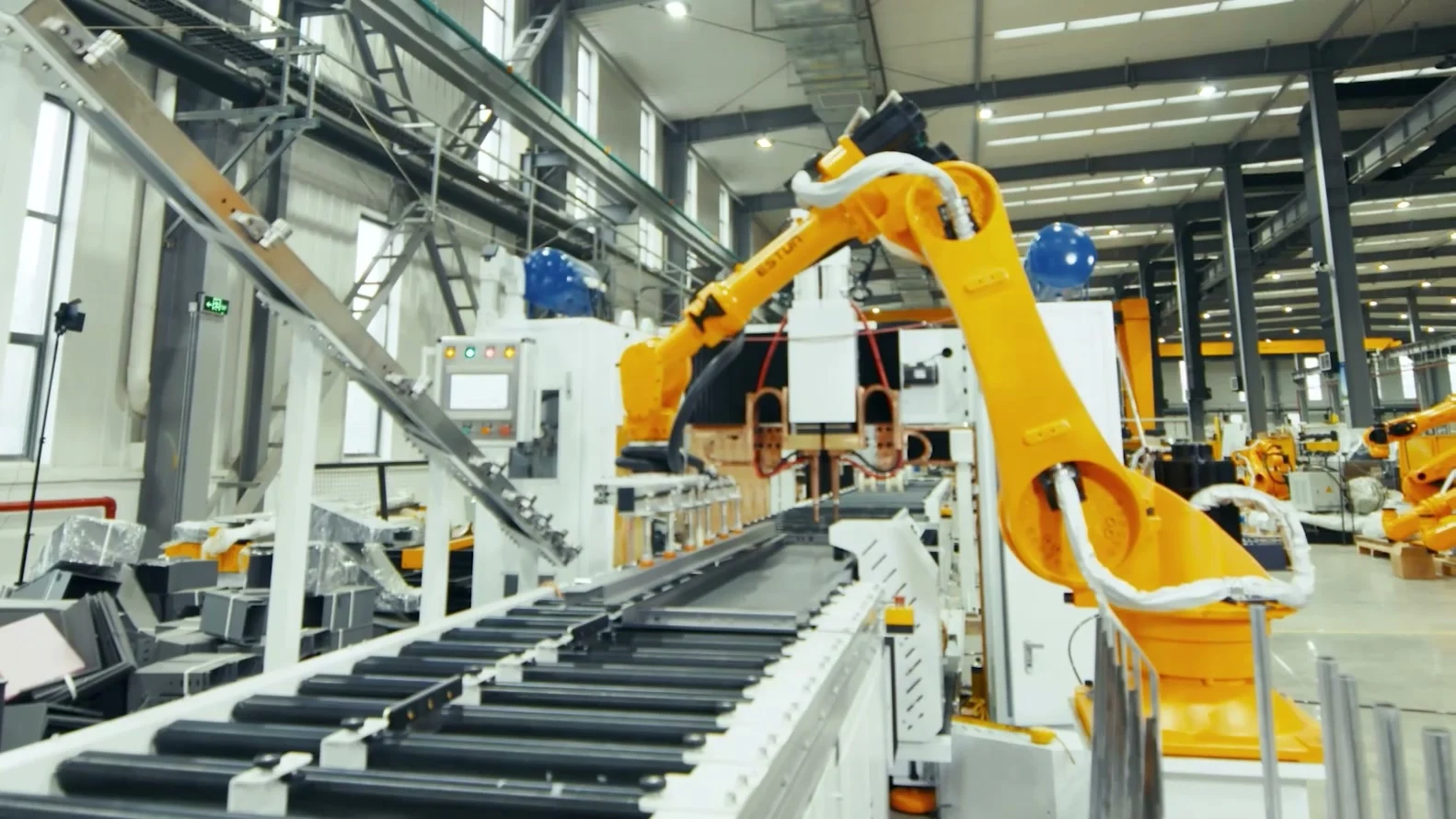
The process
Define every step of the operation.
Record geometry, material variation and treatment areas.
Choose between robot-mounted tooling and a robot-carried workpiece.
Plan force control, dust extraction and consumables.
Test surface finish, wear and tool replacement conditions.
Selection to confirm
Families to consider.
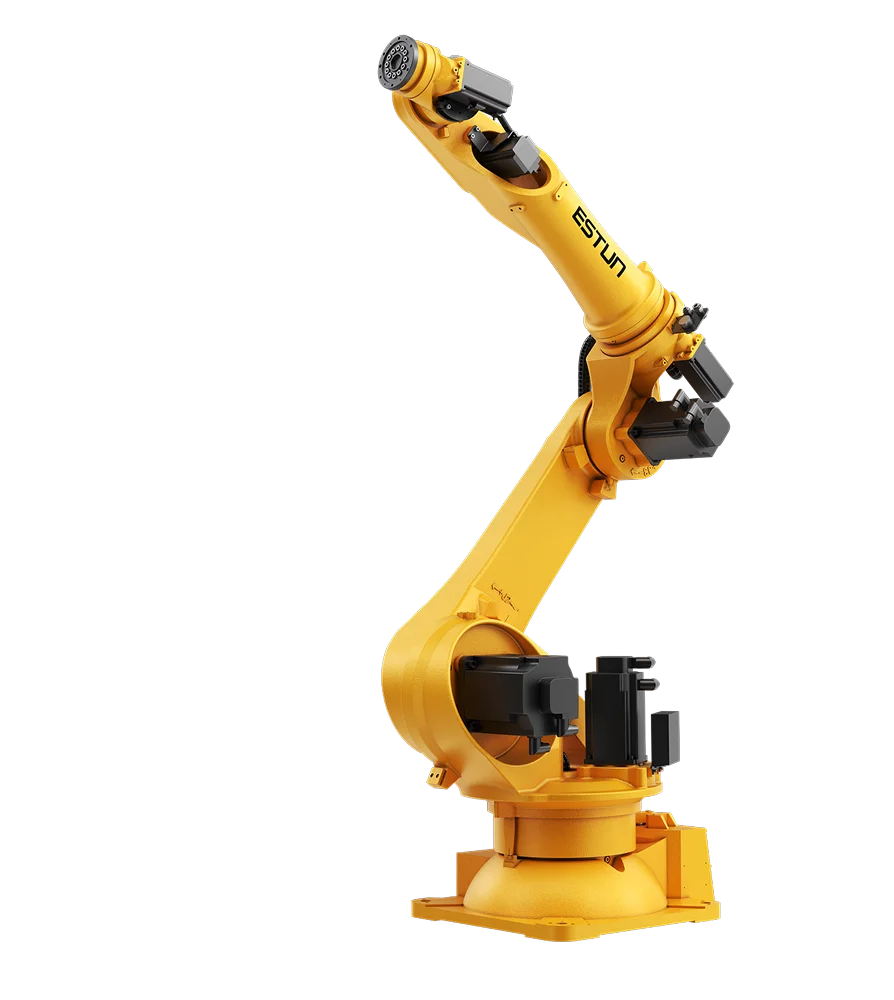
6-axis articulated robots
Articulated arms for machine tending, part orientation and process paths. The models shown cover small and medium payloads.
18 documented models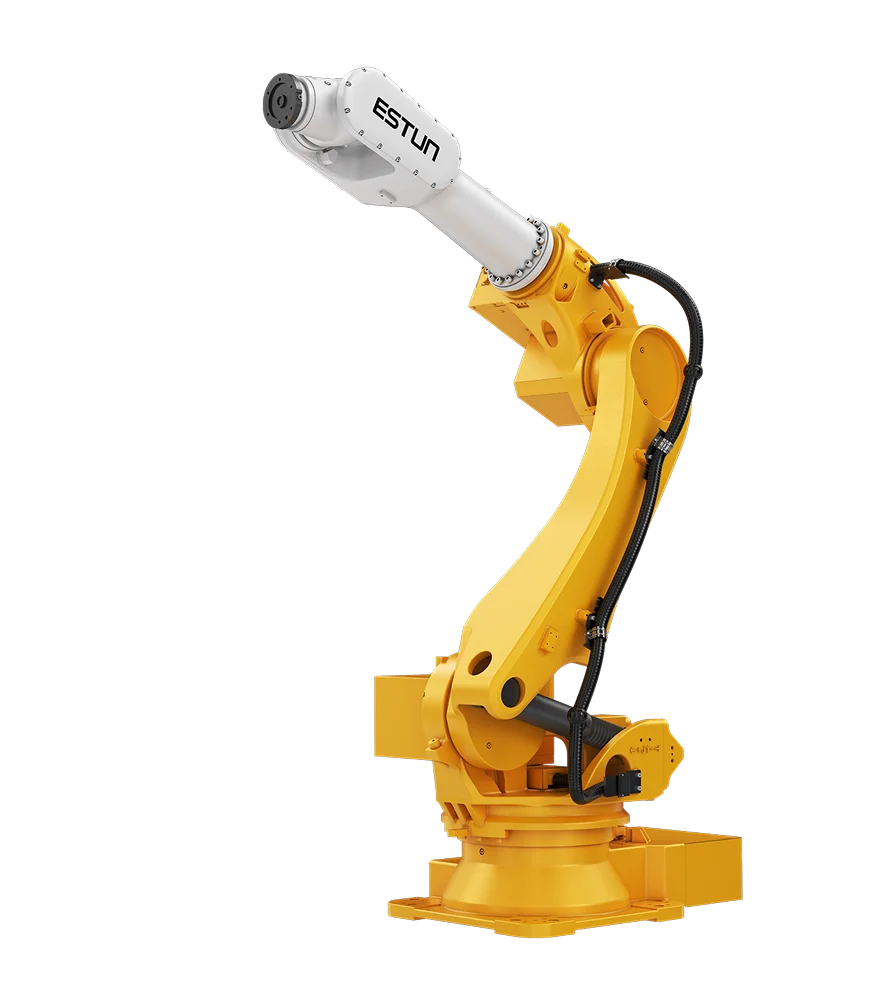
Foundry robots
Industrial arm variants identified as “Foundry” by ESTUN Europe for handling around foundry processes.
6 documented modelsValidation depends on the parts, tooling, cycle trials and cell risk assessment.
Project questions
Before choosing a robot.
Can programming start from CAD?
CAD geometry can be used to prepare paths. Actual positioning, part variation, force and process settings still need representative trials.
Does the robot compensate for abrasive wear?
That depends on the tooling and control strategy selected. The study defines inspections, any corrections and consumable replacement.