
01
Describe the work and human interaction
Start with the operation. Who loads the part, when does an operator enter the area and what must the robot do then? Separate the normal cycle, changeover, cleaning and fault recovery. These situations provide a basis for comparing a guarded industrial cell, a collaborative workstation or another arrangement.
02
Assess payload with tooling and geometry
Part mass alone does not size the arm. Add the gripper, accessories and mounted equipment. Check centre of gravity, moments, inertia and required orientations. Maximum reach does not describe every accessible point or obstacles around the machine. A layout and representative paths are still needed.
03
Measure the full cycle in the selected mode
Compare identical cycles with the planned picks, distances, process times and waits. Specify human-presence conditions and selected motion limits. A catalogue maximum speed does not establish workstation throughput. The protocol must include operations that actually interrupt production, such as tote or pallet changes.
04
Check useful functions on the exact model
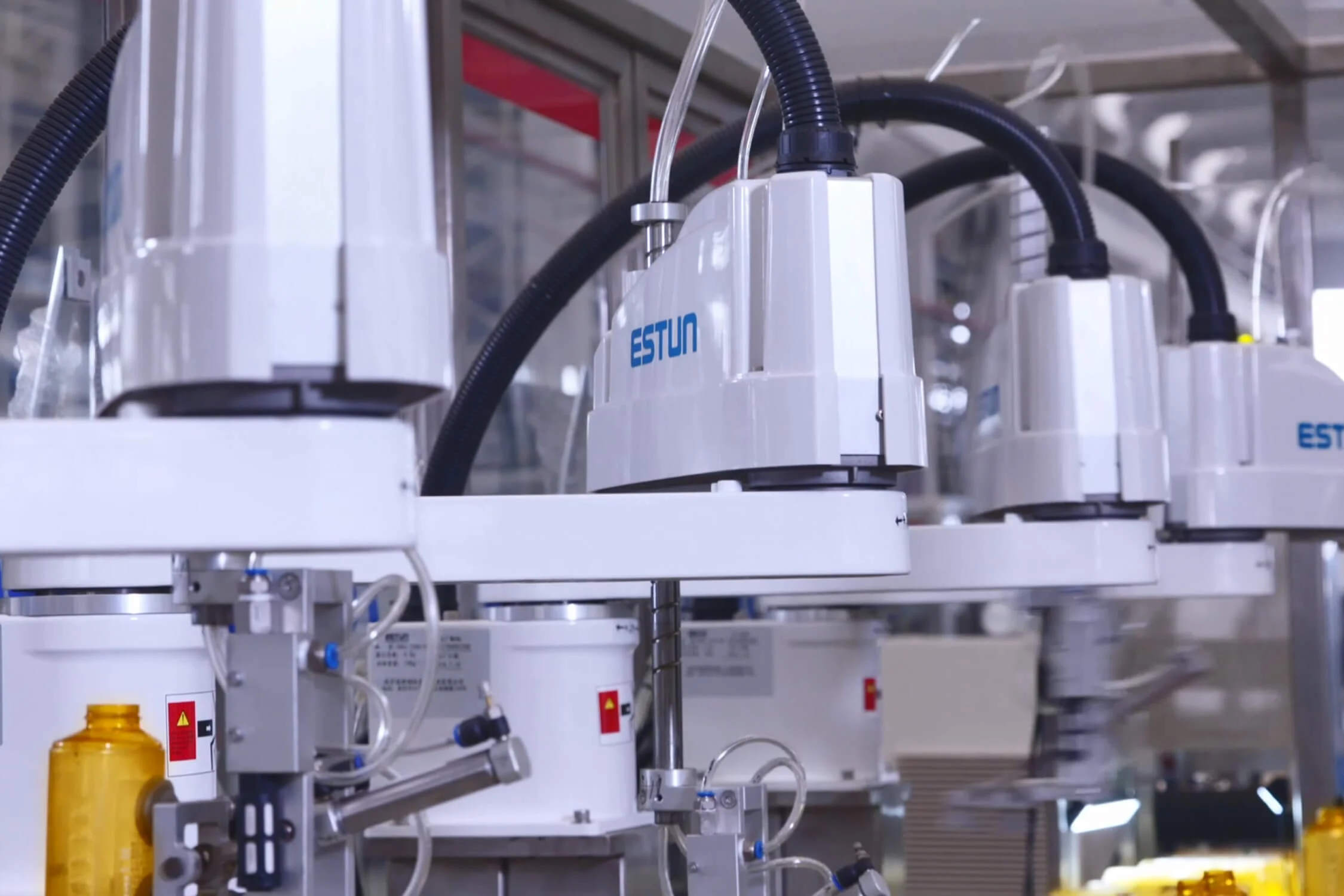
The ESTUN S10-140 PRO Gen.2 sheet describes force control with torque sensors. ABB also documents torque sensors for GoFa. These functions describe arm capabilities without deciding gripping, process or cell protection by themselves. Options, interfaces and operating conditions must be confirmed for the proposed configuration.
05
Assess risks for the complete application
The robot, tool, workpiece and other machines form the application. Access, ejected material and trapping situations belong in the study. The Suva method calls for identifying hazards, reducing risks and documenting measures. Selecting a cobot does not replace that process.
06
Compare operation and changeovers
For each option, describe recipes, tool changes, maintenance access and skills to transfer. Frequently moving a cell also requires reviewing positioning, connections and affected validation. Apparent teaching simplicity does not establish changeover time for the complete line.
07
Decide using a common trial record
Bring the options into one decision file. For each, record tested parts, total load, measured cycle, access, planned protection and trial limits. Decide against your operation and constraints. If a point remains uncertain, define the trial that will resolve it before ordering.
Apply these criteria to your project.
Share the operation, part variants and plant constraints. We define the first information to verify.
Prepare my project